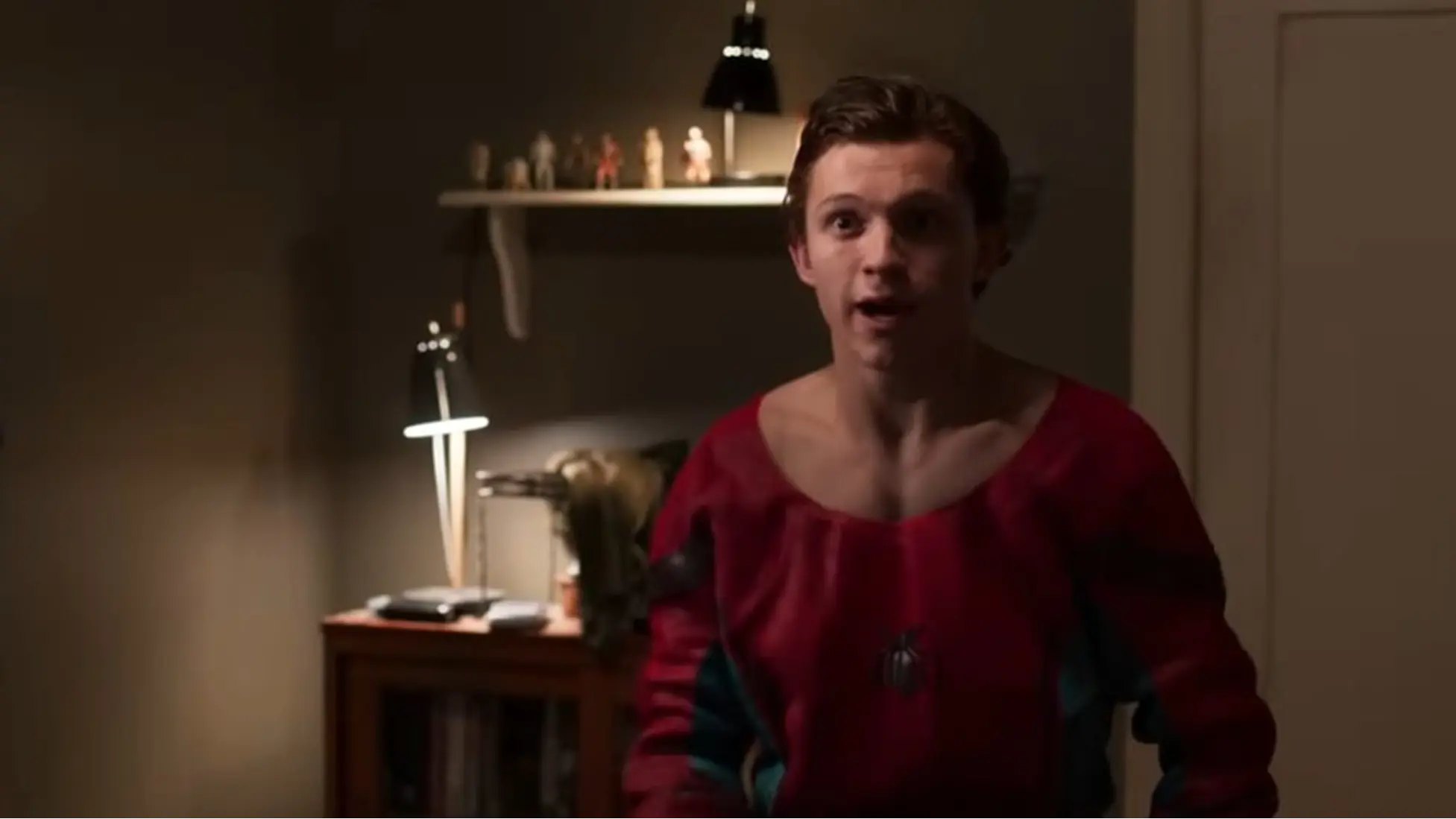
Setting the Stage for Peter's Journey in Spider-Man: Homecoming
The Marvel Cinematic Universe (MCU) has consistently delivered compelling superhero narratives, and few introductions were as anticipated and well-received as Peter Parker, the spectacular Spider-Man, making his sensational debut in Captain America: Civil War. However, it was in Spider-Man: Homecoming that audiences truly saw Peter (Tom Holland) begin to navigate the complex, often overwhelming, world of being a web-slinging super-hero. This film isn't just another origin story; it's a deep dive into the immediate aftermath of gaining incredible powers and the immense responsibility that comes with them, all under the watchful, albeit sometimes distant, eye of his new mentor, Tony Stark.
Spider-Man: Homecoming stands out as the 16th film in the MCU, a landmark reboot that successfully integrated the iconic character into an already established cinematic universe. Produced by a collaboration between Columbia Pictures, Marvel Studios, and Pascal Pictures, and distributed by Sony Pictures Releasing, the film masterfully blended high-flying action with the very grounded, relatable struggles of a Queens teenager. Peter, fresh from his thrilling encounter with the Avengers, returns to his ordinary life with Aunt May (Marisa Tomei), brimming with excitement and an eagerness to prove himself worthy of the bigger leagues. But his journey is anything but ordinary, as he quickly discovers that heroism isn't just about powers; it's about choices, consequences, and the people he's sworn to protect.
The Weight of Expectation: Tony Stark's Mentorship and Peter's Ambition
Central to Peter Parker's early adventures in Spider-Man: Homecoming is the unique and often challenging mentorship he receives from Tony Stark (Robert Downey Jr.). Thrilled by his taste of the Avenger lifestyle during Civil War, Peter returns home with a burning desire to become a full-fledged Avenger, seeing Tony as his direct link to that dream. Tony, however, has a different vision for Peter. He recognizes Peter's immense potential but is acutely aware of his youthful impetuousness and lack of experience. Stark’s guidance isn't just about providing cutting-edge suits and tech; it's about imparting critical lessons on responsibility, self-reliance, and the distinction between being a superhero and being a celebrity.
Tony's approach is characterized by a tough-love philosophy. He restricts Peter's access to the advanced features of his new suit, encourages him to stay "the friendly neighborhood Spider-Man," and tries to set boundaries to keep him safe. This dynamic creates a compelling emotional core for Spider-Man: Homecoming. Peter, like many teenagers, chafes under these restrictions. He's desperate to impress Tony, to prove he's more than just a kid with cool powers. His ambition often leads him to bite off more than he can chew, making mistakes that force him to learn the hard way. This mentor-protégé relationship is a masterclass in character development, highlighting Tony's own evolution from a reckless genius to a responsible guardian, and Peter's journey from a starry-eyed fan to a hero forging his own path.
- Lessons from Tony: Tony repeatedly emphasizes thinking before acting, understanding the stakes, and the importance of discretion. His famous line, "If you're nothing without this suit, then you shouldn't have it," encapsulates his core message to Peter: true heroism comes from within.
- Peter's Drive: Peter's motivation isn't purely altruistic in the beginning; it's also fueled by a desire for validation from his hero, Tony Stark. This adds a layer of relatable human complexity to his character, making his eventual self-discovery all the more impactful.
- Practical Insight: This dynamic offers a valuable perspective on mentorship itself. Effective mentors don't just provide resources; they guide, challenge, and allow for growth through struggle, even if it means watching their protégé stumble.
A New Threat Emerges: Adrian Toomes and The Vulture's Rise
While Peter grapples with his identity and mentorship, a formidable and refreshingly grounded antagonist emerges: Adrian Toomes, the Vulture (portrayed with chilling humanity by Michael Keaton). Unlike many comic book villains driven by world domination or sheer chaos, Toomes's motivations are deeply rooted in economic injustice and a desire to provide for his family. After his salvage company is put out of business by Stark Industries' Damage Control following the Chitauri invasion, Toomes turns to salvaging alien tech for illegal profit, inadvertently creating a vast criminal enterprise.
The brilliance of the Vulture in Spider-Man: Homecoming lies in his relatability and the personal threat he poses to Peter. Toomes isn't just a powerful foe; he's a man pushed to the edge, making him a complex character whose actions, while criminal, stem from a desire many can understand. He threatens "everything that Peter holds most important" in a way that goes beyond physical harm. When Peter uncovers Toomes's true identity, it’s not just a revelation of a supervillain; it's a shocking discovery that impacts his personal life directly. This connection makes their conflict deeply personal, elevating the stakes far beyond a typical superhero vs. supervillain showdown.
The Unmasking and Its Impact
One of the most impactful twists in Spider-Man: Homecoming is the revelation that Adrian Toomes is the father of Liz Allan, Peter's crush. This twist brilliantly ties the film's superhero plot directly into Peter's civilian life, making the threat incredibly personal. Peter isn't just fighting a villain; he's fighting the father of the girl he likes, a man who knows his secret identity and could easily harm his loved ones, including Aunt May and his best friend, Ned. This forces Peter to confront the true weight of his secret identity and the real-world consequences of his heroic actions. It’s a compelling example of how Spider-Man: Homecoming truly defined Peter Parker's MCU identity by constantly blurring the lines between Peter Parker and Spider-Man.
Beyond the Suit: Peter's Personal Stakes and Growth
Spider-Man: Homecoming is ultimately a coming-of-age story disguised as a superhero movie. Peter's journey isn't just about stopping the Vulture; it's about discovering what kind of hero he wants to be. He's constantly distracted by thoughts of proving himself to be more than just your friendly neighborhood Spider-Man, aspiring for grander adventures. Yet, it's precisely through his commitment to protecting his neighborhood and the people within it that he truly embodies the spirit of Spider-Man. His struggles to balance school, friendships, his crush on Liz, and his secret life as Spider-Man are profoundly relatable, making his character incredibly endearing.
The film brilliantly showcases Peter's growth not through gaining new powers, but through making difficult choices. He learns that relying solely on Tony's advanced tech isn't the answer; his own ingenuity, quick thinking, and unwavering moral compass are his greatest assets. The climax of Spider-Man: Homecoming is a testament to this, as Peter, stripped of his advanced Stark suit, must use his raw abilities and intelligence to save the day. His decision to ultimately reject Tony Stark's offer to join the Avengers (for the time being) signifies his maturity and understanding that his path as Spider-Man needs to be forged on his own terms, protecting those closest to him first.
- Relatable Teenager: Peter's struggles with school, homework, social life, and his crush are central to making him a uniquely relatable superhero. His journey reminds us that even heroes have to deal with everyday responsibilities.
- Finding His Own Way: The film's narrative arc emphasizes Peter's progression from seeking external validation (from Tony) to finding internal validation as a hero. He learns to trust his instincts and his own sense of justice.
- Insight for Viewers: For fans, this aspect of the film highlights that true strength isn't just about power, but about character, resilience, and personal conviction. It offers a powerful message about self-discovery and the importance of finding your own purpose.
The Climax: A Battle of Ideals and Iron Suits
The final confrontation in Spider-Man: Homecoming is a masterclass in weaving personal stakes with high-octane action. Set on a damaged plane filled with advanced weaponry, the battle between Spider-Man and the Vulture is more than just a physical brawl; it's a clash of ideologies. Toomes believes he's fighting for his family against the corporate giants like Stark, while Peter is fighting to uphold justice and protect innocent lives, even if it means saving the very villain who threatened his world.
Crucially, Peter's actions in the finale solidify his identity. Despite Toomes's attempts to kill him and the threat he posed, Peter makes the heroic choice to save Adrian's life when his damaged Vulture suit malfunctions. This act of compassion and adherence to a moral code, even for his enemy, showcases Peter Parker's inherent goodness and sets him apart. It’s a powerful moment that defines his unique brand of heroism and proves he doesn't need the most advanced suit or the Avengers' spotlight to be a truly great Spider-Man. This pivotal battle, won through grit, determination, and Peter's core values, cemented Spider-Man: Homecoming as a crucial chapter in the MCU saga.
Conclusion
Spider-Man: Homecoming delivered an engaging and heartfelt reintroduction to one of Marvel's most beloved characters, firmly establishing Peter Parker's place within the MCU. Through Tony Stark's often-challenging mentorship and the deeply personal threat posed by Adrian Toomes's Vulture, Peter embarks on a journey of self-discovery that is both thrilling and profoundly human. The film excels not just as a superhero spectacle, but as a coming-of-age story about responsibility, identity, and the difficult choices that define a true hero. It brilliantly showcased Peter's struggle to balance his ordinary life with extraordinary responsibilities, solidifying his role as the friendly neighborhood Spider-Man who ultimately learns that being great isn't about the suit, but the person wearing it.